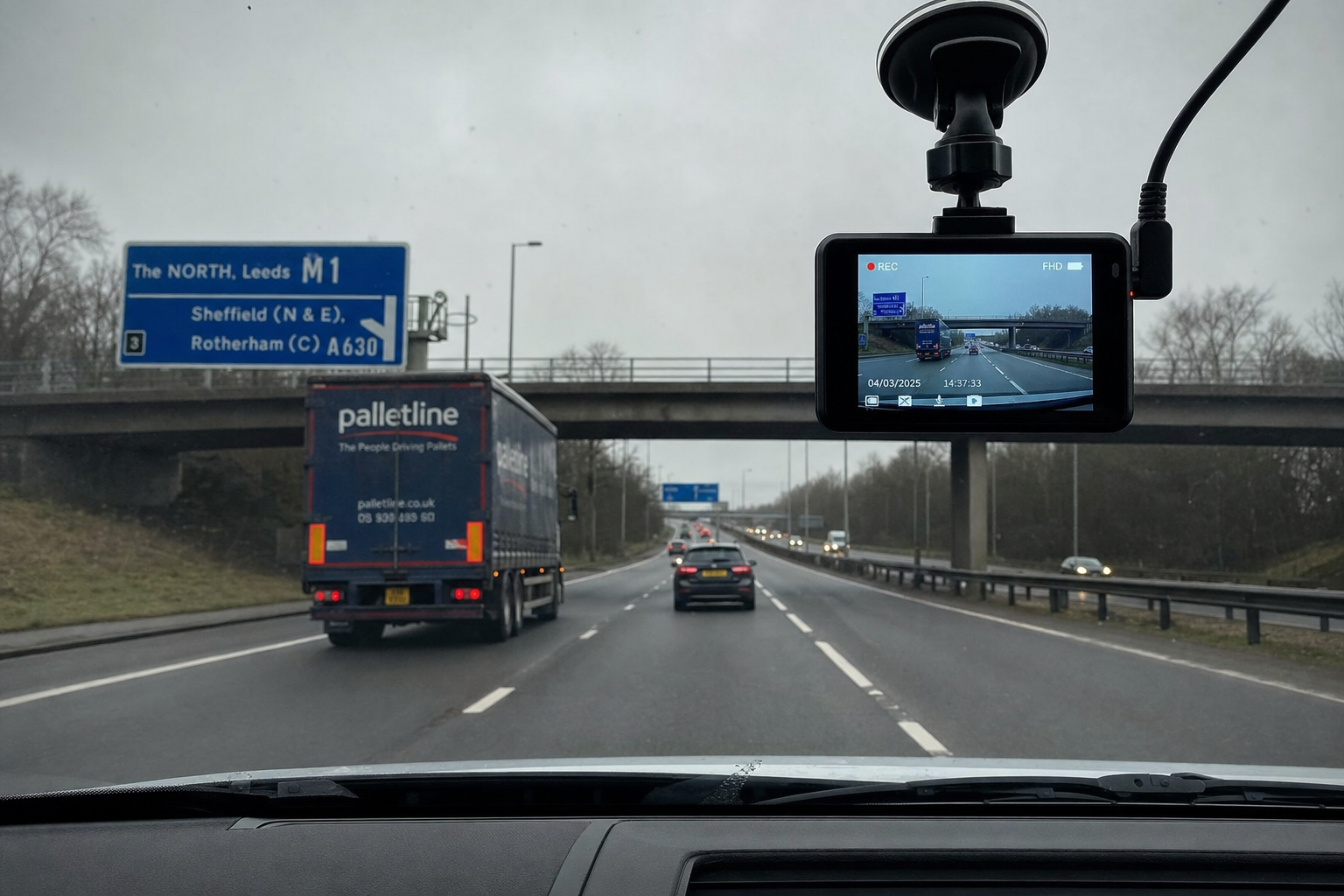
Neil had been driving HGVs for nineteen years. He knew the M1 like the back of his hand. When the blue Audi pulled in front of him near Junction 33 without signalling and braked sharply, he had no time to react.
The impact was minor — a low-speed collision, no injuries. But what happened next was anything but minor. The Audi driver got out, called his insurer on the spot, and stated that Neil had rear-ended him without warning while tailgating. He said he had a witness. He was calm, rehearsed, convincing.
“I knew exactly what had happened. But his story sounded more polished than mine. That’s when I started to worry.”
The Camera Was Still On. Nobody Could Stop It.
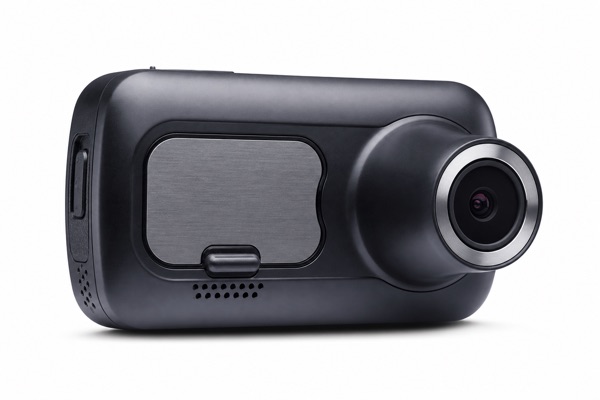
Neil had fitted a Nextbase 622GW two months earlier at his wife’s insistence, after a colleague had been caught in a similar disputed claim and lost three years of no-claims. He hadn’t thought about it since. But the camera had been running the entire journey — 4K, GPS-stamped, every second logged.
When Neil opened the app, the clip was there. The Audi entering his lane without signalling. The brake lights. The moment of impact. His own speed clearly within the limit. The Audi’s lane change, frame by frame, in full 4K clarity.
He sent the file to his insurer before he’d even left the hard shoulder.
It Was Live — And It Settled in 48 Hours
The Audi driver’s insurer was sent the footage the following morning. Within 48 hours, they accepted full liability. The “witness” withdrew their statement. Neil’s van was repaired in full. His no-claims bonus — eleven years — was completely untouched.
“Without that footage, I’d have spent six months fighting it and probably lost. The camera was still running after the impact. I didn’t even have to do anything. It just recorded the truth.”
Neil’s case is one of thousands that play out on UK roads every year. The difference between a settled claim and a year-long dispute often comes down to a single question: was anyone recording? The dashcam’s G-sensor automatically locks footage at the moment of impact, so nothing is overwritten. GPS data embeds speed and location on every frame. And 4K resolution means lane markings, indicators, and number plates are all legible — exactly the details that determine liability.